11 Creative Ways To Write About Upgrade Composite Door
Upgrading Your Composite Door: A Comprehensive Guide
Composite doors have gotten substantial popularity in the last few years due to their aesthetic appeal, toughness, and energy performance. As more homeowners recognize the value of updating their front doors, it's important to understand the benefits of composite doors, the essential steps to upgrade, and the factors to consider in the decision-making procedure. This post aims to provide a comprehensive examination of the subject, allowing property owners to make educated choices about their door replacements.
Comprehending Composite Doors
Composite doors are made from a combination of materials, consisting of wood, PVC, and insulating foam. This multi-layered design not only enhances security but also enhances thermal efficiency, while offering remarkable weather resistance. Homeowners regularly choose composite doors for the following reasons:
Benefits of Composite Doors
Improved Security:
- Composite doors are equipped with innovative locking mechanisms.
- Their robust building and construction makes them more resistant to break-in compared to standard wood doors.
Energy Efficiency:
- These doors typically score extremely on energy performance rankings.
- Insulating foam cores help preserve a constant indoor temperature, thus reducing energy expenses.
Low Maintenance:
- Composite doors are designed to resist fading, warping, and decomposing.
- A simple wipe-down with a wet cloth suffices for maintenance.
Range of Designs:
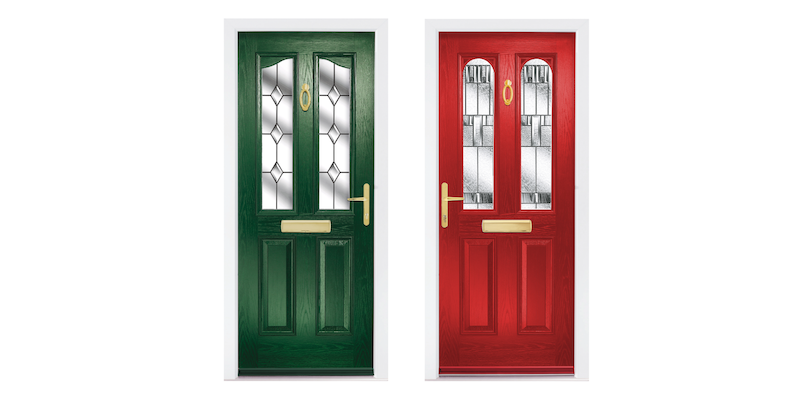
- Homeowners can pick from a large array of designs, colors, and ends up to match any home design.
- Modification options permit customization, consisting of distinct glass functions.
Ecologically Friendly:
- Many producers utilize sustainable materials.
- Their toughness reduces the need for regular replacements, which contributes to a lower carbon footprint with time.
Why Upgrade Your Composite Door?
Even a well-kept composite door can end up being out-of-date or lose some of its performance with time. Upgrading can provide homeowners with increased security, enhanced energy performance, and a fresher visual look. Here are some typical reasons to think about an upgrade:
Improved Insulation: Newer models typically include sophisticated insulation technologies for boosted thermal performance.
Modern Aesthetics: An upgrade can reflect current trends in home style, making the property's entryway more aesthetically appealing.
Security Enhancements: Advancements in locking mechanisms and total door design can offer much better security functions.
Use and Tear: After years of usage, even composite doors may reveal signs of wear such as scratches, dents, or faded surfaces.
Energy Costs: An updated door can directly affect energy use and bills through improved insulation.
Steps to Upgrade Your Composite Door
Upgrading a composite door involves several key steps:
1. Assess Your Current Door
Before making an upgrade, evaluate the current condition of your composite door. Search for the following:
- Signs of wear and damage.
- Spaces or drafts that may show poor insulation.
- Out-of-date design functions that do not align with your home's aesthetic.
2. Set a Budget
Comprehending your budget plan is important when updating your door. Think about:
- The expense of the brand-new door itself.
- Additional expenditures for setup, which may include removal of the old door.
- Possible costs for hardware upgrades or custom-made functions.
3. Select the Right Materials
While composite doors are typically durable, it's important to select high-quality products. Research different makers and designs. Secret considerations consist of:
- Insulation residential or commercial properties.
- Security features.
- Durability and guarantee provided by the maker.
4. Select the Design
With a huge selection of designs readily available, put in the time to choose one that complements your home. Consider:
- Color and finish options.
- Door style (e.g., traditional, modern, or custom).
- Hardware and glass features.
5. Professional Installation
For the finest results, think about working with a professional installer. A knowledgeable installer ensures that your door fits properly and works optimally. Make sure to:
- Obtain quotes from several professionals.
- Check evaluations and recommendations before selecting an installer.
- Verify that the installer is accredited and insured.
Frequently Asked Questions
Q1: How long do composite doors normally last?
Composite doors are understood for their sturdiness and can last anywhere from 30 to 50 years, depending upon the quality of products used and the level of maintenance.
Q2: Can I set up a composite door myself?
While it is possible to set up a composite door yourself, it is recommended to work with a professional for best outcomes. Incorrect setup can jeopardize security, insulation, and general performance.
Q3: Are composite doors energy-efficient?
Yes, composite doors are extremely energy-efficient due to their insulating properties, assisting to keep homes warm in winter season and cool in summer.
Q4: What maintenance do composite doors require?
Composite doors need very little maintenance. Routine cleansing with mild soap and water is usually enough, and periodic checks of the seals and locking systems are suggested.
Q5: Are composite doors ecologically friendly?
Yes, lots of composite doors are made from sustainable products and are designed to last longer than standard wooden doors, lowering waste in the long run.
Upgrading a composite door is a smart financial investment for house owners wanting to boost security, energy efficiency, and the overall look of their home. With broken door repair of options available, selecting the right door involves examining current conditions, setting a budget plan, and figuring out style preferences. By following these actions and considering future requirements, homeowners can make sure that their updated composite door fulfills their expectations and boosts their home for many years to come.